

Trending Graphic T Shirts
Trending Graphic T Shirts in 2026: What’s Hot, Materials & Selling Tips
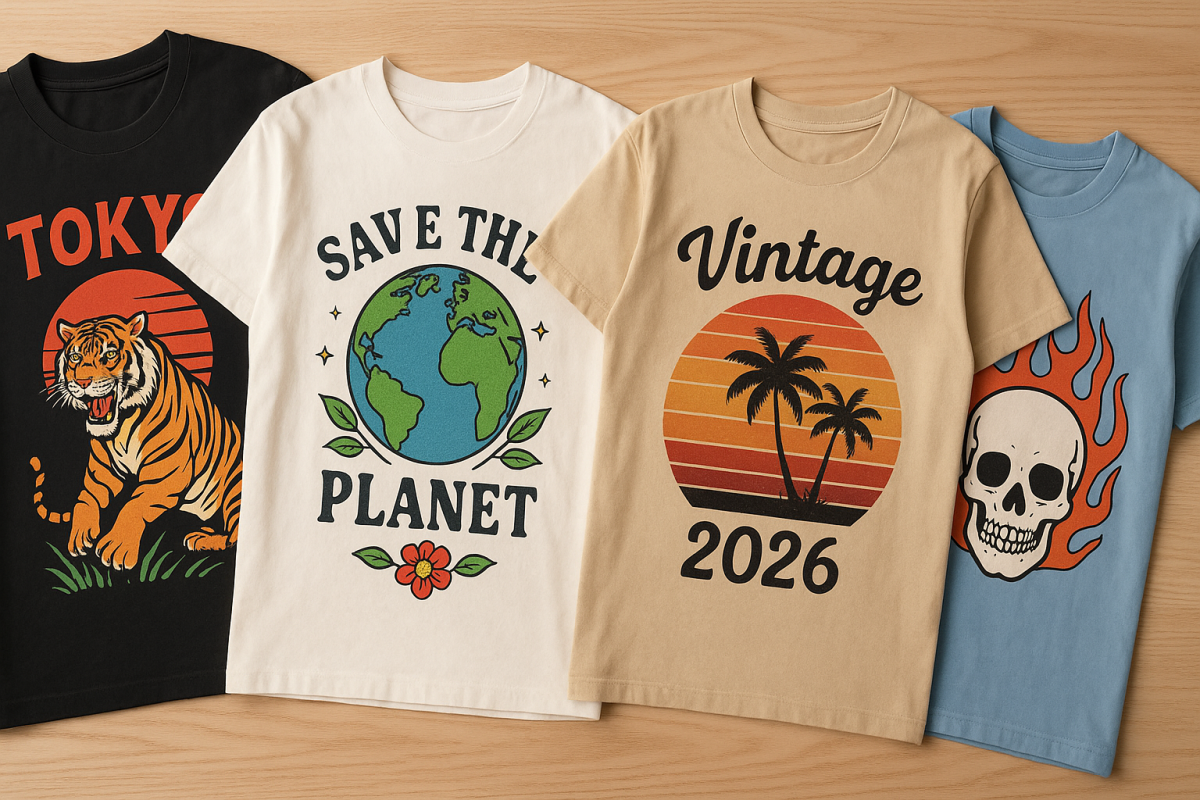
Apr
Introduction — Quick snapshot: Trending Graphic T Shirts in 2026 and why it matters
Trending Graphic T Shirts in 2026 reflect faster visual cycles, stronger sustainability expectations, and smarter retail behavior. Demand is driven by short-form social trends, consumer desire for provenance, personalization, and nostalgia refreshed for a premium market. Designers, retailers, and buyers who adapt to these shifts can reduce returns, shorten time-to-market, and capture higher margins.
This guide gives actionable design ideas, sourcing and print recommendations, pricing formulas, merchandising tactics and a step-by-step launch checklist so you can move from concept to first sale in 6–12 weeks.
Problem: Why old T‑shirt playbooks fail in 2026
Traditional approaches—large undifferentiated runs, generic size ladders, and low-cost claims—underperform in 2026. Rapid trend cycles (fueled by TikTok and AI art), heightened scrutiny on sustainability claims, and rising expectations for fit and fabric quality expose dated playbooks.
- Failed approaches: one-off prints placed without market testing; ignoring verifiable sustainability credentials; offering only a narrow size range.
- Consequences: higher return rates, weaker repeat purchase rates, and reputational damage when sustainability claims are questioned.
- Data-backed reasons: shorter trend half-lives make inventory risky; AI-generated concepts flood the market, increasing noise and the need for clear brand differentiation.
Top design themes for Trending Graphic T Shirts in 2026
Visual themes in 2026 blend digital-native aesthetics with tactile quality. Design decisions must consider print technique, placement, and the garment’s hand-feel.
Nostalgia 2.0 — refined Y2K and 90s motifs
Expect Y2K and 90s references reinterpreted with muted palettes, vintage tonal washes, and premium finishes (soft-hand prints, tonal embroidery). Rather than loud logos, aim for tasteful references: simplified mascots, washed gradients, or archival-style banding.
Tech & AI aesthetics
Glitch art, neural-style overlays, and data-visual motifs are in demand—designs that read as “digital but wearable.” For this aesthetic, prioritize DTG or sublimation on suitable fabrics to retain color depth and gradient fidelity.
Minimalist line art & micro graphics
Small chest motifs, tonal embroidery, and stitched micro-graphics provide versatility and higher perceived value. These translate well across sizes and reduce print waste. Offer these as essentials in multiple base colors.
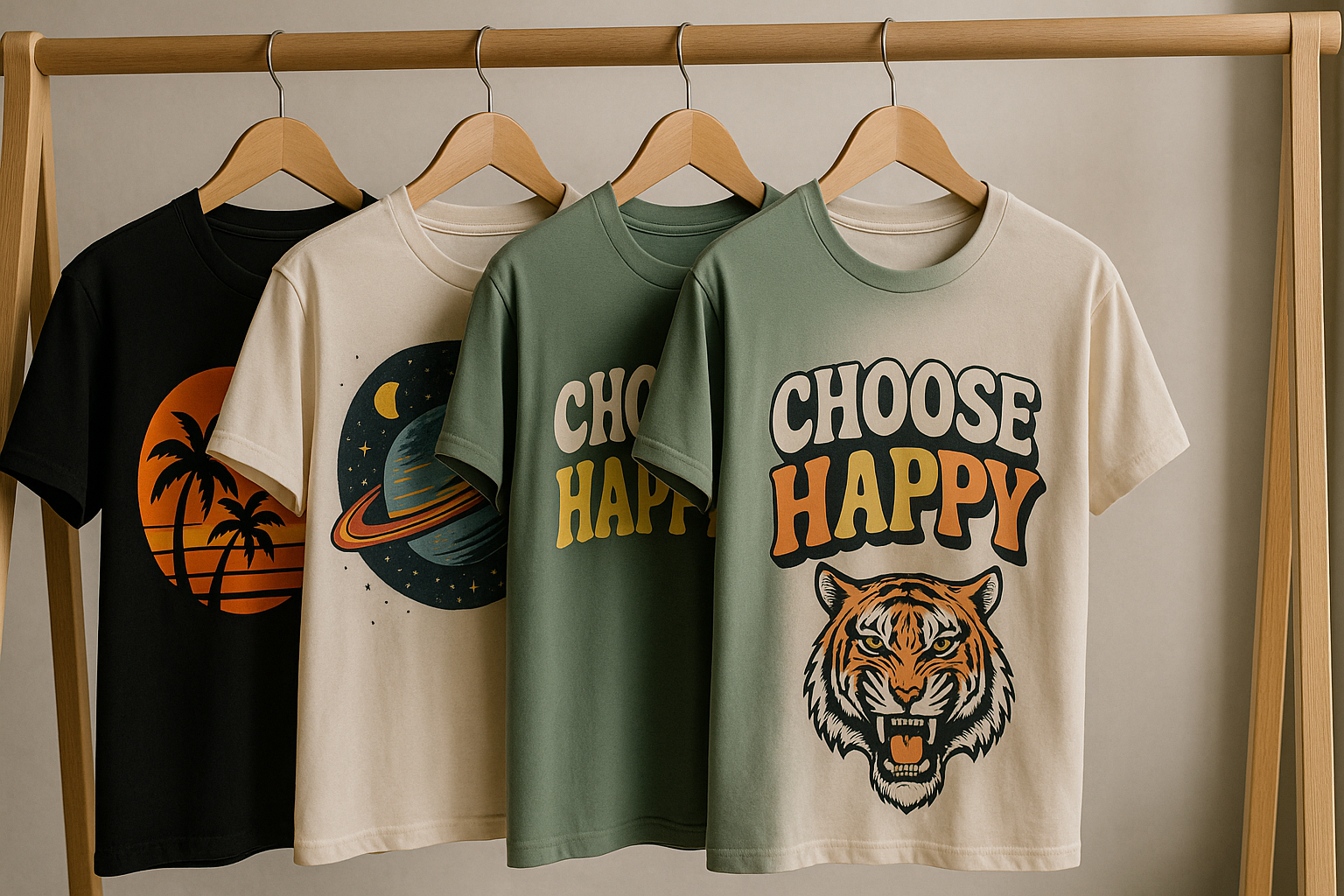
Statement & cause graphics
Purpose-driven messaging—eco-activism, community statements, or charitable collaborations—performs when paired with genuine action (donations, transparent sourcing). Tone guidance: specific, empathetic, and non-polarizing; avoid vague platitudes.
Localized & hyper-relevant graphics
City references, local slang, and micro-audience drops create scarcity and relevance. Limited-edition runs tied to events or neighborhoods increase emotional attachment and social sharing.
Practical tip: Prepare 3–5 design variations per theme for market tests—colorways, placement (center chest / pocket / back), and finish (print vs. embroidery).
Materials, trims and sustainability expectations in 2026
Shoppers expect clarity on fibers and finishing. Match material choice to design needs and price positioning.
Fiber comparisons
- Organic cotton: soft hand, excellent print clarity for screen and DTG, moderate cost. Best for lifestyle and cause tees.
- Recycled polyester: necessary for active or performance tees and sublimation prints; watch for pilling and odor control.
- TENCEL/Lyocell: premium drape, great for elevated cuts; can blur print sharpness—consider embroidery or softer printing methods.
- Cotton blends: balance cost and hand feel; blends can reduce shrinkage but affect vibrancy of certain inks.
Certifications to mention (and how to verify)
- GOTS (Global Organic Textile Standard): organic fiber and processing standard—request the cert number and supplier declaration.
- OCS (Organic Content Standard): tracks organic input—useful for blended products but not a processing cert.
- Global Recycle Standard (GRS): verifies recycled content and chain of custody—ask for batch-level documentation.
Do not overclaim—avoid statements like “carbon neutral” without audited offsets or certifications. Keep claims factual and link to verifiable documents.
Trim and finishing trends
Enzyme washes, garment dyeing, soft-hand water-based prints, and low-impact discharge techniques are popular. These finishes elevate perceived quality but increase unit cost—use selectively on premium SKUs.
Labeling and marketing copy
Write concise, verifiable sustainability copy: state the fiber content, certs with certificate numbers, and a one-line sourcing note (e.g., “spun and knitted in X; printed with Oeko-Tex inks”). For YMYL caution, advise customers that claims are backed by documentation and provide a link or PDF.
Practical sourcing tip: Always request mill samples with the exact print test and “age-to-wear” photos before committing to bulk orders.
Printing & production methods that matter for 2026 designs
Choose the method based on run size, design complexity, and sustainability goals.
DTG (Direct-to-Garment)
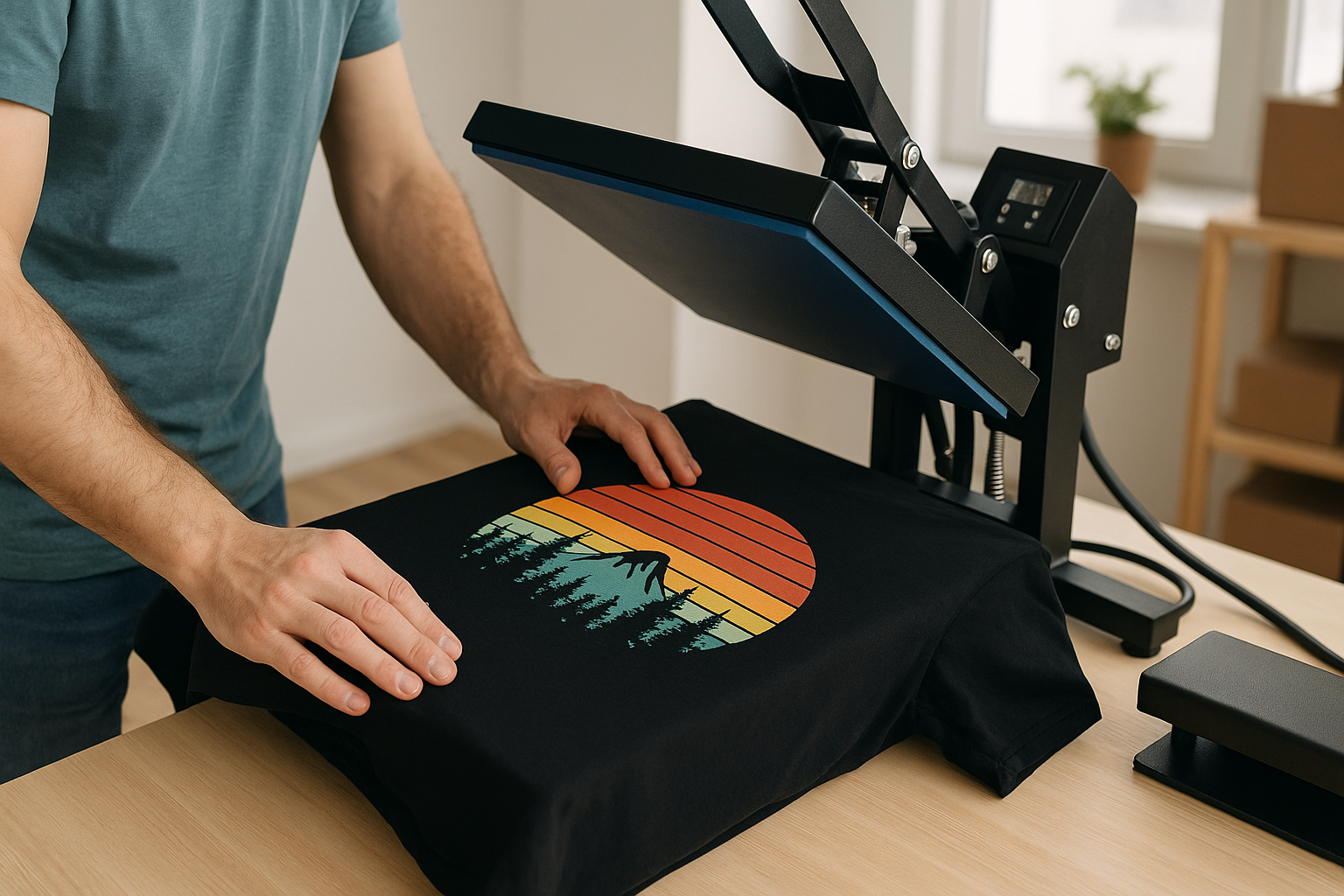
Best for complex, small-batch, full-color designs. Pros: low MOQ, fast iteration. Cons: ink durability variations, need for pretreatment on dark garments. Verify wash tests and colorfastness.
Screen printing
Cost-effective for mid-to-large runs and special effects (metallics, discharge). Pros: durable, vivid solids. Cons: higher setup, longer lead times, limited gradients unless halftone screened.
Sublimation & dye-sublimation
Ideal for polyester-heavy garments and edge-to-edge prints. Pros: photo-real color vibrancy and permanent prints. Cons: limited to synthetic fibers; not suitable for traditional cotton.
Embroideries, heat-transfer, and hybrid techniques
Choose for premium feel and longevity: small embroidered logos or appliqués can increase perceived value and price. Hybrid approaches (embroidered + print) work well for collectible or limited runs.
New tech and sustainability improvements
Water-based inks, low-energy curing methods, and print-on-demand partners reduce waste. Use a partner checklist: MOQ, turnaround, proofing process, sustainability credentials, return policy, and sample/test reports.
Fit, sizing strategy and inclusive options
Fit and sizing are decisive for returns and brand loyalty. Invest in clear tech packs and fit testing.
Popular fits for 2026
Relaxed unisex, oversize streetwear, cropped silhouettes, and tailored premium cuts will coexist. Each fit shifts graphic placement—ensure mockups and graded placements per size to keep proportion consistent.
Inclusive sizing
Offer a broad size range (recommendation: XS–4XL minimum; consider extending to 5XL based on audience). Use robust grading rules and maintain base blocks for each fit category to ensure consistency across SKUs.
Effective size guides
- Measurement points: chest, body length, shoulder width, sleeve length.
- Provide conversion tables (US/EU/UK) and fit photos on diverse models with callouts (model height, size worn).
Return & exchange policies
Offer clear, fair policies: free exchanges and a modest return window reduce buyer hesitation but manage margin risk with restocking fees for heavily discounted items. Communicate policy upfront on product pages.
Pre-launch fit testing
Seed samples to micro-influencers across body types and run measured wear tests to catch consistent fit issues before bulk production.
Merchandising, product pages and visual presentation for 2026 buyers
Product pages must convert informed, visually-driven buyers searching for Trending Graphic T Shirts in 2026.
Product photography
- Flat lay and on-model shots (multiple body types).
- Close-ups of print detail and fabric texture.
- 360° views or short autoplay loops showing drape and fit.
Copy essentials
Include the primary keyword in the title and first sentence. Use 3–4 bullets covering fabric, fit, and print care, followed by a brief story paragraph about inspiration or purpose. Example opening line: “Trending Graphic T Shirts in 2026: this relaxed unisex tee blends neural-glitch art with organic cotton for a durable, everyday wear.”
Price presentation and merchandising
Use anchor pricing, bundle discounts, limited-edition badges, and scarcity messaging for drops. Cross-sell with hoodies, caps, or matching accessories and offer outfit bundles to increase AOV.
Marketing & distribution channels that will drive discovery in 2026
Discovery mixes social commerce, marketplaces, and DTC strategies. Choose channels aligned with margins and brand control needs.
Social commerce playbook
Short-form video (TikTok, Reels), shoppable posts, authentic creator collaborations, and UGC incentives drive fast trend adoption. Test 3–4 short creative formats per SKU: reveal, behind-the-scenes, fit try-on, and cause story.
Marketplaces vs DTC
Marketplaces provide scale and discovery but reduce margin and brand control. Prioritize DTC for higher-margin, storytelling products and use marketplaces for excess stock or geographic expansion.
Email and retention
Segmented flows for new buyers, repeat customers, cart recovery, and VIP early-access for drops boost LTV. Offer serialized drops for subscribers to build anticipation.
Influencer seeding and paid acquisition
Seed micro-influencers for UGC; set KPIs (engagement, clicks, UGC assets). For paid ads, use a creative testing matrix and aim for ROAS targets that cover CPA and lifetime value.
Pricing, cost targets and margin math for profitability
Keep pricing simple and defensible. Use a per-unit landed cost and margin target to set prices.
Sample cost breakdown
Example per-unit costs for a mid-tier tee: fabric $4.00, print/trim $2.50, labor/assembly $1.80, shipping $1.00, packaging $0.50, platform/fees $1.20 = landed cost $11.00.
Pricing formulas
- Keystone: landed cost x 2 = wholesale starting point.
- Cost-plus: landed cost + desired margin (e.g., 60% gross margin target).
- Value-based: price according to perceived value (limited editions or premium finishes command higher multiples).
Target margins
Healthy gross margins: DTC aim for 55–70% gross margin; wholesale typically targets 30–45% gross margin at distributor pricing. Calculate break-even on paid ads and set ROAS thresholds accordingly.
Promotions & inventory planning
Map promotions on a calendar to protect brand value. Use pre-orders and limited drops to manage cash flow and reduce leftover inventory. Keep MOQ guidance flexible: test small runs or POD for designs with uncertain demand.
Actionable 8‑step checklist to launch a winning 2026 graphic T‑shirt
- Trend validation: run quick polls, micro-tests and shortlist 3 designs.
- Material & print decision: select fabric and print method; order lab samples.
- Fit & sample testing: fit test on 3 body types; finalize tech pack and size chart.
- Pricing and margin check: calculate landed cost and set price using keystone or value-based method.
- Product page build: photos, SEO copy, size guide, structured data.
- Marketing assets: produce 3 short-form videos, 10 UGC briefs, and 5 email sequences.
- Soft launch: small paid test, influencer seeding, and inventory buffer for initial orders.
- Measure & iterate: collect returns and feedback, update designs, plan next drop.
Metrics to track and test for continual improvement
Measure both commercial and operational KPIs to optimize assortment and operations.
- Top KPIs: conversion rate, average order value (AOV), return rate, inventory turnover, ROAS, customer LTV.
- Testing roadmap: A/B test images, prices, and ad creative; iterate quickly on winning variants.
- Operational KPIs: on-time fulfillment, sample rejection rate, supplier lead-time variance.
- Customer feedback loop: collect reviews, NPS, and UGC to inform future designs and sizing adjustments.
Conclusion — Final checklist & invitation: view products and start testing
Trending Graphic T Shirts in 2026 demand smarter design choices, verifiable materials, and flexible production routes. Prioritize 1) relevant design themes, 2) the right fabric and print method, and 3) quick market tests over large inventory bets.
Practical advice: order high-quality samples, validate fit on diverse bodies, and run short paid tests before scaling. Small, frequent drops with clear storytelling outperform sporadic large runs.
View our current products and sample kits to see these trends in practice and jumpstart your next drop.
FAQ
1. What graphic T shirt trends will be most popular in 2026?
Nostalgia 2.0 (muted Y2K/90s), tech/AI aesthetics, minimalist micro-graphics, purpose-driven statements, and localized limited drops will lead. Material and finish quality will be key differentiators.
2. Which printing method is best for small batches of 2026-style graphic tees?
DTG is usually best for small, full-color or highly detailed runs—low MOQ and fast iteration—provided you verify ink durability and pretreatment compatibility on chosen fabric.
3. How should I price a trending graphic T shirt in 2026 to stay profitable?
Calculate landed cost (fabric, print, labor, shipping, packaging, fees). Use keystone or cost-plus for baseline, and value-based pricing for limited or premium items. Aim for 55–70% gross margin on DTC.
4. Are sustainable graphic T shirts more expensive to produce and do customers pay more?
Sustainable materials often cost more, but many consumers will pay a premium if claims are verifiable. Use transparent labeling and justify price with better finishes, certifications, and a clear brand story.
5. What size range and fit options should I offer to reduce returns in 2026?
Offer XS–4XL as a minimum and extend when the audience requires. Provide clear measurement charts, fit photos on diverse models, and specify the intended fit (relaxed/unisex, tailored, cropped) to reduce returns.
6. How can I test a new graphic T shirt design quickly before a full production run?
Use small DTG runs or POD samples, seed to micro-influencers, run short paid social tests, and collect pre-orders or email signups to validate demand before scaling.
7. Which marketing channels drive the most discovery for graphic tees in 2026?
Short-form video (TikTok, Reels), shoppable social posts, creator collaborations, and curated marketplace placements are top discovery drivers. Email and retention flows convert discovered traffic into repeat buyers.
8. How do I verify sustainability claims for my T shirt supply chain?
Request certificate numbers for GOTS, GRS or OCS, ask suppliers for batch paperwork, and request third-party test reports for inks and finishes. Keep PDFs or verification links available in product pages to support claims.